- LifeUP Newsletter
- Posts
- Gut Feelings & Bedroom Vibes
Gut Feelings & Bedroom Vibes
The honest health newsletter connecting microbiomes, hormones, and sexual wellness

Derek Opperman
July 15, 2025

“Of course animals can have trouble getting boners.”
My friend Ben said incredulously.
It was one of those rare dinners out with friends sans kids. Wine was flowing so the…errr range of conversation topics had expanded.
“Dude. No way. Animals are animals. They just get hard. Erectile dysfunction is a human thing.”
I was convinced nature’s other fauna didn’t ever need Viagra. A good Barolo will always make me more intelligent and confident in my knowledge.
“Not true. Lifestyle factors can absolutely impact animal libido and performance.”
Clearly, Ben was also drinking liquid confidence and wisdom.
Upon a quick search, it became clear that animals weren’t the automatic love making machines I thought they were.
“It says here rodents and non-human primates can experience ED due to a broad range of factors, from metabolic issues to psychological stress. Smoking cigarettes and drinking alcohol can also impact animals’ sexual performance.”
Ben said proudly, showing me on his phone.
“Well then,”
I said, finishing my glass.
“Perhaps I should switch to water, lest I disappoint my mate in the nest tonight.”

The health connection I wish I'd known sooner
The human gut is home to billions of microbes that don't just digest food—they help regulate hormones, inflammation, mood, and, yes, even sex drive. When your microbiome's in balance, it supports healthy testosterone and estrogen levels, blood flow, and reproductive function. When it's out of whack? We're talking fatigue, mood swings, inflammation, hormone imbalances—and in some cases, a noticeable drop in desire.
One study found that women with low libido had different gut bacteria patterns than women with healthy sex drives. Another study linked specific bacterial strains to erectile dysfunction. It's early science, but the pattern's there.
But here's what really got me: the gut produces about 95% of your body's serotonin - the "feel good" neurotransmitter that affects mood, sleep, and yes, sexual desire. When your microbiome is imbalanced, serotonin production can tank, taking mood and libido with it.
The gut-brain connection is real. When harmful bacteria overtake beneficial ones, inflammation goes up, nutrient absorption goes down, stress hormones spike, and energy crashes. All of this interferes with hormone production and blood flow - two things essential for healthy sexual function.
Should I even be giving this advice? I mean, I'm literally figuring this out as I go. But maybe that's the point - sexual wellness is a health conversation, not just a relationship one.
If you're dealing with low libido, low energy, or feeling like your body isn't showing up the way it used to - start with the gut. Here's what the research shows actually moves the needle:
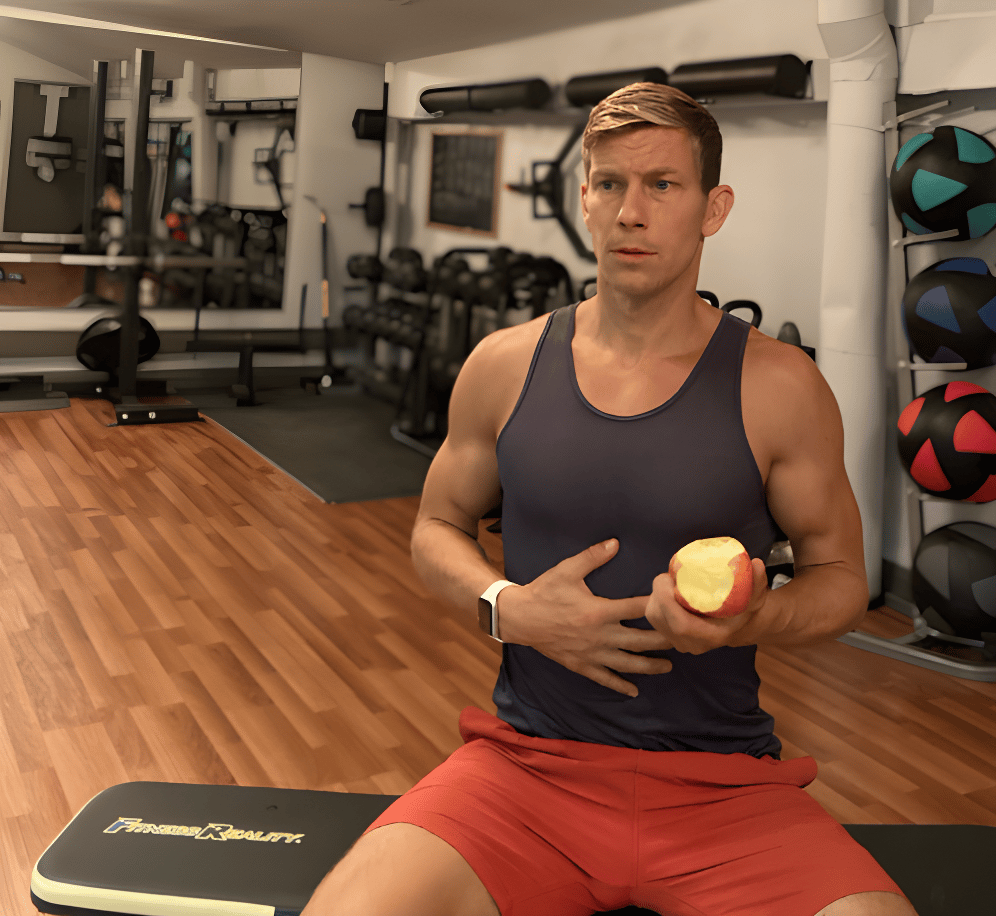
Load up on fiber. Beneficial bacteria feed on fiber, and most of us aren't getting nearly enough. Aim for 25-35 grams daily from vegetables, fruits, legumes, and whole grains. I know, I know - you're thinking "when am I supposed to meal prep all this stuff?" Start simple: add berries to your morning routine, throw spinach in your smoothie, choose the apple over the crackers.
Cut the ultra-processed stuff. Foods high in sugar, artificial additives, and preservatives feed harmful bacteria and promote inflammation. This doesn't mean you can never have a sleeve of cookies during the kids' bedtime routine - it means making the 80% of your choices count.
Add fermented foods. Kimchi, sauerkraut, kefir, and yogurt introduce beneficial bacteria directly. Start with small amounts - your gut might need time to adjust. Pro tip: that Greek yogurt you're already buying for the kids? Get the plain version and add your own berries.
Consider a targeted probiotic. Look for strains like Lactobacillus rhamnosus and Bifidobacterium longum, which have been specifically studied for mood and hormone support. One less thing to think about when you're already managing seventeen other supplements.
Don't forget prebiotic foods. Garlic, onions, asparagus, and Jerusalem artichokes feed the good bacteria you already have. The good news? You're probably already cooking with garlic and onions.
Manage stress. Chronic stress wreaks havoc on gut bacteria. Find what works for you - meditation, exercise, whatever helps you decompress. Even if it's just five minutes of deep breathing in your car before you walk into the house.
Give your body 4-6 weeks to see changes. The microbiome doesn't shift overnight, but when it does, the effects can be pretty dramatic.
Sexual health isn't just about desire. It's about vitality, connection, and feeling fully alive in your body.
And sometimes, it really does start in your gut.
Of course, knowing what to do and actually doing it consistently are two different things. That's why I put together a $3 Mini Course that gives you a simple system for what to eat, when to move, and how to rest so you can actually feel like yourself again.
Why your morning coffee ritual could be sabotaging your sex drive
Here's something that might make you rethink your 6 AM coffee habit.
Your body naturally produces a surge of cortisol (your stress hormone) within the first hour of waking. This cortisol spike is actually healthy - it's what gets you alert and ready for the day.
But here's the problem: when you drink coffee during this natural cortisol peak, you're essentially doubling down on stress hormones. Your body gets flooded with both natural cortisol AND caffeine-induced cortisol, creating a stress response that can last for hours.
Why this matters for your sex drive: Chronically elevated cortisol directly suppresses testosterone production in men and disrupts estrogen balance in women. It also interferes with blood flow and can tank your energy levels later in the day.
The simple fix: Wait 90-120 minutes after waking before your first cup of coffee. This allows your natural cortisol to do its job and come back down to baseline before you introduce caffeine.
What to do instead: Start your day with water, get some sunlight, move your body a bit. Then enjoy your coffee when your cortisol levels have naturally dropped.
The bonus: You'll actually get more sustained energy from your coffee when you time it right, instead of the crash-and-burn cycle most people experience.
Your morning coffee doesn't have to be the enemy—it just needs better timing.
Pro tip: If you're someone who needs something warm in the morning, try herbal tea, warm lemon water, or even just warm water with a pinch of sea salt. Save the coffee for when it can actually help instead of hurt.
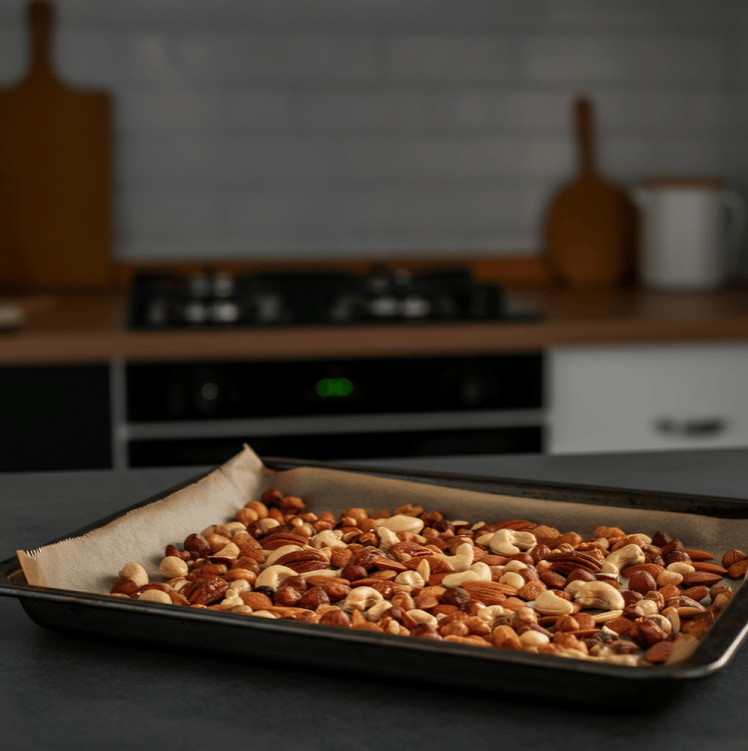
The 5-minute hormone-supporting nut & seed mix you can make with your kids
Ingredients:
1 cup raw almonds
1/2 cup pumpkin seeds (pepitas)
1/2 cup sunflower seeds
1/4 cup walnuts
1 tablespoon chia seeds
1 teaspoon sea salt
1 teaspoon smoked paprika (optional
Instructions:
Preheat oven to 350°F
Toss all ingredients together on a baking sheet
Roast for 8-10 minutes until lightly golden
Let cool completely
Store in an airtight container for up to 2 weeks
Serving: 1-2 tablespoons daily as a snack or sprinkled on yogurt/salads
Why This Mix Works for Sexual Health
This isn't just a tasty snack—it's a powerhouse of nutrients that directly support sexual function.
Pumpkin seeds are loaded with zinc, which is essential for testosterone production in men and healthy hormone balance in women. Just one serving provides about 20% of your daily zinc needs.
Walnuts contain L-arginine, an amino acid that helps produce nitric oxide—the compound that improves blood flow to all the right places.
Sunflower seeds are rich in vitamin E, which protects against oxidative stress that can damage blood vessels and reduce circulation.
Almonds provide healthy fats and magnesium, which helps reduce cortisol (stress hormone) and supports energy production.
The combination gives you a daily dose of the micronutrients most people are missing—the ones that directly impact hormone production, blood flow, and energy levels. Plus, the healthy fats help your body absorb fat-soluble vitamins that support sexual health.
Easy to make, easy to eat, and your body will thank you in more ways than one.

The cardio-sex connection: What 6,000+ adults revealed
Here's a study that might make you reconsider skipping your next workout.
Researchers surveyed over 6,000 physically active adults across the globe and found something pretty compelling: the more cardio you do, the better your sexual function tends to be.
The study divided participants into six groups based on their weekly exercise levels, then measured sexual dysfunction rates using validated questionnaires. The results were clear across both sexes.
For men: Those in the higher exercise groups had up to 23% lower odds of erectile dysfunction compared to the least active group. The sweet spot seemed to be around the fourth exercise level - not necessarily the most intense, but consistently active.
For women: Higher exercise levels were protective against sexual dysfunction overall, with the most active women showing 30% lower odds of dysfunction. The benefits were particularly strong for arousal and orgasm satisfaction.
What makes this interesting: This wasn't comparing couch potatoes to athletes. Everyone in the study was already physically active. The researchers were looking at whether more exercise within that active population made a difference.
And it did.
The mechanism: Exercise improves blood flow, reduces inflammation, boosts mood-regulating neurotransmitters, and helps maintain healthy hormone levels - all factors that directly impact sexual function.
The takeaway: If you're already active but dealing with sexual health issues, ramping up your cardio routine might be worth trying. The study suggests there's a dose-response relationship - more exercise, better function.
Of course, this was observational research, so we can't prove causation. But given that exercise has virtually no downside and massive upside for overall health, it's probably worth lacing up those running shoes.
Study: "Exercise Improves Self-Reported Sexual Function Among Physically Active Adults" - Journal of Sexual Medicine, 2019

Ancient Romans believed figs were so sexually powerful they were sacred to Bacchus, the god of wine and ecstasy.
Medieval European couples ate honey for a full month after their wedding (hence 'honeymoon') because it was thought to boost fertility and passion.
The ancient Chinese considered ginseng so powerful for sexual vitality that wars were fought over ginseng forests.
Ancient Egyptians used garlic to boost stamina - workers building the pyramids went on strike when their daily garlic rations were cut.
Ready to feel fully alive in your body again?
We've covered everything from gut bugs to hormone-supporting nuts to why your coffee timing matters. But transformation doesn't happen from reading - it happens from doing.
That's why I created the $3 Mini Course. It's your complete system for connecting the dots between what you eat, how you move, and how you feel. Real strategies for real life.
The privilege of a lifetime is to become who you truly are.
To your health!


“I help parents reclaim their energy — not just physically, but emotionally too. Because when you feel better, everything in your life lights up: your parenting, your patience, your purpose. My approach is about small changes that ripple out into big transformation.”
